



What is TIRMS?
Telecommunications Identity Risk Management Systems (TIRMS) is a centralised system designed to help authorised organisationsverify the status of mobile phone numbers in real time and identify potential risks associated with them.
According to the NCC, TIRMS is the system that supports the verification and updating of phone-number statuses and is intended to promote fraud prevention, regulatory compliance and the integrity of consumer information.
TIRMS helps authorised service providers know whether a phone number is active, swapped, churned, blacklisted or has been reassigned to another consumer.
Your mobile phone number is more than just a means of making calls or sending messages. Today, your number may be linked to your bank account, social media accounts, email, online services and other important platforms. This makes protecting the identity and status of your phone number increasingly important.
To strengthen the security of phone numbers and reduce the risks associated with recycled, swapped or churned numbers the Nigerian Communications Commission (NCC) has introduced the Telecoms Identity Risk Management System (TIRMS).
Why is TIRMS Important to Consumers?
Phone numbers can sometimes be reassigned after they are disconnected or become inactive. This means that a number previously used by one person may eventually be allocated to another person.
If banks, fintech companies or other service providers still have the previous owner's number in their records, the new user could potentially receive calls, messages or alerts intended for the previous owner.
TIRMS is designed to help reduce this type of risk by allowing approved service providers to verify the current status of a phone number before carrying out certain activities.
The system can be particularly useful in situations involving:
- Reassigned or recycled phone numbers
- SIM swaps
- Churned numbers
- Blacklisted numbers
- Potentially fraudulent activities; and
- Sensitive transactions or customer authentication.
How Does TIRMS Work?
TIRMS brings together relevant information about the status of phone numbers.
Authorised telecommunications operators can update the status of numbers in the system, while approved service providers such as banks and fintech companies can verify the status of numbers when necessary.
For example, before a financial institution allows a customer to perform a sensitive activity, it can verify whether the phone number associated with the customer's account has been swapped, churned, blacklisted or reassigned.
This additional verification can help service providers identify possible risks before they result in fraud or unauthorised access.
What About SIM Swaps?
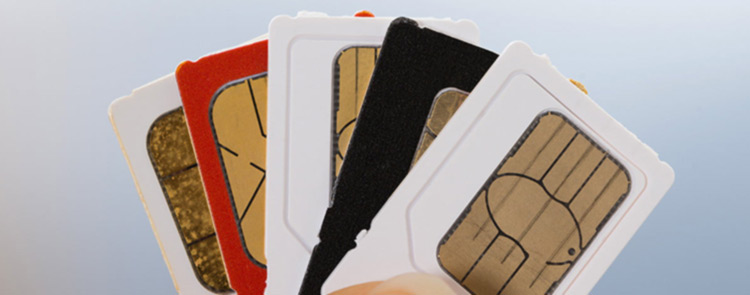
A SIM swap occurs when a customer's mobile number is transferred from one SIM card to another, usually because the original SIM has been lost, stolen, damaged or replaced.
Because a phone number can be used for authentication and access to important services, unauthorised SIM swaps can create serious security risks.
TIRMS allows authorised organisations to verify whether a number has recently undergone a SIM swap, helping service providers take additional precautions where necessary.
Benefit of TIRMS
TIRMS can provide several important consumer-protection benefits.
1. Helps Reduce Fraud
By enabling approved service providers to verify phone-number status, TIRMS can help identify suspicious situations before they lead to fraud.
2. Helps Protect Financial Accounts
Many consumers use their mobile numbers for banking alerts, authentication and other financial services. Verifying the status of a number can provide an additional layer of protection.
3. Helps Address Risks Associated with Recycled Numbers
Consumers who receive calls, SMS messages or financial notifications intended for a previous owner of a number can be exposed to privacy and security concerns. Better information about number reassignment can help service providers update their records appropriately.
4. Supports Safer Digital Services
As more Nigerians use mobile phones for banking, payments, shopping and other digital services, ensuring that phone-number information remains accurate is increasingly important.
5. Strengthens Consumer Confidence
A safer and more reliable system for managing phone-number identity can help build confidence in Nigeria's telecommunications and digital ecosystem.
What Should Consumers Do?
Although TIRMS provides an additional layer of protection, consumers also have an important role to play in protecting their mobile numbers.
- Keep their SIM cards secure.
- Report a lost or stolen phone or SIM immediately to their network operator.
- Be cautious about sharing their phone number and personal information.
- Monitor their bank accounts and transaction alerts regularly.
- Update their phone number with banks and other service providers whenever their number changes.
- Report suspicious calls, messages or transactions to the relevant service provider.
- Avoid disclosing PINs, passwords, OTPs or other confidential information to anyone.
- Contact their bank immediately if they notice unusual activity linked to their phone number.
If You Receive Someone Else's Bank Alerts?
If you purchase a new SIM and begin receiving bank alerts, loan messages or other sensitive communications intended for another person, do not attempt to access or use the information.
Contact the relevant service provider and explain that the phone number has been reassigned to you. You should also avoid sharing the previous customer's information with others.
Your mobile number can serve as an important link between you and your financial, digital and communication services. Protecting it is therefore not only about preventing unwanted calls; it is also about protecting your identity and personal information.
TIRMS represents an important step towards strengthening the management of phone-number identity and reducing risks associated with recycled, swapped, churned lines.
As a telecom consumer, stay informed, protect your SIM and phone number, and report suspicious activities promptly.Never share your OTP, PIN, password or other confidential security information with anyone.
If you have a complaint about your telecom service provider and the matter remains unresolved after contacting the provider, you can escalate the complaint to the NCC through its consumer complaint channels;
- NCC 622 (Toll Free Line)
- Consumer Portal: www.consumer.ncc.gov.ng
- Email: consumer@ncc.gov.ng
- X Handle: @ConsumersNCC
- NCC X Handle: @NgComCommission
- NCC Zonal Offices Nationwide
Stay informed. Stay alert. Protect your number.