
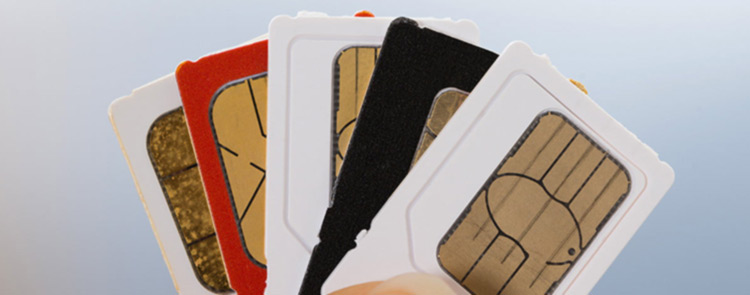



Your mobile phone number is more than just a way to make calls. It is often linked to your bank account, email, social media accounts, and many other important services. If you stop using your SIM card for a regulatory-determined period of one year, your telecom operator may deactivate it, deregister it, and eventually reassign the number to someone else.
In Nigeria's telecoms industry, a churned line refers to a mobile phone number (MSISDN) that has been disconnected, deactivated, deregistered and withdrawn from a telecom consumer after a regulatory-determined period of one year of inactivity and may eventually be reassigned to another user.
What Is a Churned Line?
A churned line is a line withdrawn and deregistered from an inactive user and reissued to another user, who will be required to register it in his or her name.
A telecom operator removes the line from active service because a telecom consumer failed to use the SIM card for a regulatory-determined period of one year of inactivity. The line is no longer considered an active consumer line and may later be recycled and allocated to a new customer.
How Does a Line Become Churned?
According to Quality of Service (QoS) Business Rules:
- A consumer line may be partially barred if it has not been used for a Revenue Generating Event (RGE) for six months. Partial barring will only allow the inactive user to receive calls for another 6 months.
- If the inactivity continues for another six months after the partial barring (a total of 12 months), the operator may churn the line, and the consumer may lose the number
- The number can then be recycled and assigned to another consumer/subscriber.
What Counts as Activity on a Line?
A line is generally regarded as active when it generates revenue-related telecom activity within the regulatory period. Examples include:
- Making or receiving calls.
- Sending SMS.
- Using mobile data.
- Using USSD services.
- Other qualifying network activities.
The NCC has previously emphasized that active subscribers are those with revenue-generating activity within a specified period, often measured over 90 days for reporting purposes.
Why Do Operators Churn Lines?
Telecom operators churn inactive lines for several reasons:
- Due to inactivity caused by a consumer not carrying out a revenue-generating event or activity within one year days
- Inactivity due to consumer traveling out of the country for a period that falls within the regulatory-determined threshold set by the Quality of Service (QoS) Business Rules
- A consumer misplaces his line and fails to replace the missing medium for a period that qualifies for the inactivity milestone for churning as set by the Quality of Service (QoS) Business Rules
- A consumer fails to recharge, conduct any revenue-generating event for a period that falls within the inactivity threshold for churning as set in the Quality of Service (QoS) Business Rules.
What Happens When a Line is Churned?
When your line is churned:
- The line is deactivated, deregistered and sent back to the general number pool and reassign to another user, who will be required to register the number afresh in his or her name.
- The churned phone number may be assigned to another consumer/subscriber, after the required period of inactivity as set by the Quality of Service (QoS) Business Rules.
- You may lose access to services linked to that number, such as banking alerts, One-Time Passwords (OTPs), email verification codes and social media accounts if you have not updated your contact details or transactional profiles on such avenues and platforms.
Risks Associated with Churned Lines
Allowing your line to be churned may expose you to several risks, including:
- Where the last users fail to remove it from his transactional profiles in banks and other platforms, the new user will be getting his transactional notifications and information. You may also be unable to receive verification codes needed to access your online accounts
- Where the previous user had used the line for a loan facility, it may cause discomfort to the new user.
- Where the last user had used the line for any criminal activity such as extortion or negotiation for ransom, the new user may face law enforcement scrutiny.
- Privacy and security risks. If your number is churned is linked to your personal accounts, another person who receives the number may receive messages meant for you.
- Missed important communications. You may miss calls, text messages, business contacts, and other important notifications sent to the churned number that is not registered in your name after the churning. This will be from persons or entities that may not be aware of the churning of that line.
NCC's Response to Churn Risks
To address the challenges associated with churned numbers, the NCC introduced initiatives around the Telecoms Identity Risk Management System (TIRMS). The platform is intended to track churned, swapped, and barred numbers and help banks, fintechs, regulators, and security agencies verify the status of mobile numbers before relying on them for identity-related transactions.
The objective is to reduce:
- Identity theft
- Fraud involving recycled numbers
- KYC verification failures
- Security breaches arising from reassigned SIMs
How Telecom Consumers Can Avoid Losing Their Number
To prevent a line from being churned:
- Ensure your lines are active by carrying out revenue-generating activities;
- Make periodic calls or send SMS.
- Use mobile data occasionally.
- Replace misplaced, damaged and stolen lines immediately
- Park the line for a nominal fee for a year and extend further when necessary.
- Where churning has already happened, ensure all banking and transactional platforms are notified.
Your phone number is an important part of your digital identity. Losing it because of prolonged inactivity can affect your access to banking services, online accounts and other essential communications.